<!DOCTYPE html>
Quiet Attics, Healthier Homes: Why Escondido Homeowners Are Prioritizing Rodent Proofing Now
Quiet Attics, Healthier Homes: Why Escondido Homeowners Are Prioritizing Rodent Proofing Now
Escondido homes face unusual rodent pressure. The chaparral slopes around Daley Ranch, the oak canyons near Lake Hodges, and the riparian corridors along Escondido Creek funnel roof rats straight into attic spaces. The pattern shows up every season. First the scurrying sounds after dusk, then droppings behind the water heater, and later chewed duct jacket and higher utility bills. Local families are taking rodent proofing seriously now because the risk profile has changed. Health concerns feel closer, electric and gas costs remain high, and homeowners know that patchwork pest control does not stop re-entry. Rodent exclusion and attic restoration have become part of normal home maintenance in North County.
Why Escondido’s environment draws rodents into attics
Rodent activity follows food, water, and shelter. Escondido provides all three in tight proximity. Citrus trees and backyard gardens give an easy carbohydrate source. Irrigation and natural water from Escondido Creek and seasonal flows near Felicita Park provide moisture. Heated attics in winter and insulated rafter bays in summer create protected nesting voids. Many roofs in Old Escondido and Eureka Meadows have ridge caps with gaps, aged gable vents, and unscreened eaves. Newer homes in Harmony Grove and Lomas Del Lago may have better vent design, yet soffit openings, utility penetrations, and foundation cracks still provide entry points when left unsecured. Roof rats climb vines and stucco corners, then slip in through quarter-size gaps. Once inside, they move along top plates and truss chords, shred fiberglass, and leave pheromone trails that attract more rodents.
Health and home risks that motivate faster action
Rodent presence is not a nuisance. It is a health and safety issue that affects the building envelope. Droppings can carry Hantavirus and Salmonellosis. Urine volatile compounds act like a signal, pulling new rats to the same routes. Chewed wires create arc risk. Damaged HVAC ducts leak conditioned air into the attic and draw dusty air into the system. Insulation loses R-value when soaked with urine and compressed by nesting. In Escondido, utility spikes often trace back to these losses. Homes near the San Diego Zoo Safari Park boundary, or up in Jesmond Dene, show a similar pattern due to night activity and elevation shifts that favor roof rat movement across power lines and fence tops. Rodent proofing cuts these risks by sealing entry points and removing the chemical signals that keep the cycle going.
How a professional looks at an Escondido attic
A thorough inspection starts outside. Technicians map roof planes, valleys, and transitions. They check ridge vents, gable vents, bird blocks, and roof-to-wall flashing. Eave gaps, soffit vents, and roof penetrations get measured. Quarter-inch and half-inch openings matter because roof rats pass through small voids with ease. Foundation cracks, garage door weather stripping, and A/C line-set penetrations provide sub-structure routes. On the inside, an inspector checks joist bays for runways, looks for grease marks on rafters, and notes any signs of droppings on the top of the insulation.
Attic Guard approaches Escondido homes with a local map in mind. The team correlates droppings and rub marks with common travel lines on lots near Lake Hodges and the canyons off Harmony Grove Road. Properties up by Hidden Meadows experience thermals that draw attic air outward in the late afternoon, which can shift odor cues to soffit edges. This detail explains why sealing soffit vents and eave returns with the proper mesh grade makes a measurable difference for those homes.
Clear signs that point to a rodent problem
Homeowners often notice activity before they see damage. Short, repeatable checks help confirm the problem and speed up a service call. The cues below match what technicians find in Escondido properties from the 92025 flats to hillside lots in 92029.
- Scurrying sounds after dusk that move across ceilings or along walls.
- Rat droppings near the water heater, laundry area, or in the attic hatch corner.
- Chewed insulation on HVAC ducts, or nibble marks on plastic plumbing vents.
- Urine-soaked insulation with matted “runways” and a sweet, acrid odor.
- Gnawed weather stripping at garage doors and rub marks near soffit vents.
If scurrying sounds occur at night, the insulation likely has nesting pockets and crushed areas. That condition reduces R-value. The home loses heat faster on cool nights and gains heat faster during the day. Heating and cooling cycles run longer. Utility bills rise while comfort drops. That is why a thorough plan addresses both the animals and the building performance.
Rodent proofing versus general pest control
Rodent proofing focuses on exclusion. It closes gaps and removes the drivers that keep rodents engaged with a house. General pest control tends to place bait stations and traps. Bait has a role outside the structure in some settings, yet it does not solve the openings in the building shell. Attic Guard operates as a licensed contractor in San Diego County and treats each attic as part of the building envelope. The work blends pest control with construction detail. That blend brings long-term results because the structure changes. Rats cannot return when the points are sealed, and the odor signature gets neutralized.
Materials and tools that deliver permanent results
Rodent exclusion relies on the right parts and professional installation. Attic Guard secures all roof vent screens with 1/4-inch galvanized hardware cloth to stop roof rats from entering the attic. Steel wool blocks tight masonry joints and small voids around pipes where metal mesh is not practical. Pro-grade expanding foam fills the back of deep cracks after a mechanical block is set. Flashing gets added at roof-to-wall joints that show lift or past rodent pressure. Weather stripping seals door bottoms and side gaps where light shows through.
The clean-up suite matters as much as the sealing. Crews run industrial HEPA vacuums to remove contaminated droppings and limit airborne particles, including viruses. A ULV cold fogger or a thermal fogger disperses sanitizer to reach hidden cavities and neutralize urine pheromone trails. Industrial air scrubbers polish the air during removal and fogging. A blower machine lays new insulation after decontamination and air sealing. This is how the attic returns to safe and energy-efficient operation.
What an Escondido attic restoration actually includes
A full restoration follows a clear sequence. It starts with removal of loose debris and nesting. Vacuuming continues until surfaces are visible across the attic deck. Contaminated insulation gets bagged and removed. A HEPA pass reduces dust load on rafters and sheathing. Decontamination treats wood and duct exteriors to break odor signals. After surfaces dry, exclusion materials go in. Vent guards, eave mesh, foundation screening, and sealing of utility penetrations create a closed system. Air sealing addresses top plate gaps and electrical penetrations to cut stack-effect drafts. Insulation replacement follows. TAP Insulation, Owens Corning fiberglass, or high-density Knauf options restore the specified R-value and can increase it for better cooling performance during Escondido heat waves.
Attic Guard’s exclusion process in simple terms
Attic Guard practices a biosecurity approach. The goal is a sealed, clean, and quiet attic that protects the family and the building. The steps below summarize the method in a way that homeowners across 92026, 92027, and 92029 can use to gauge quality.
- Inspection and mapping of active and historical entry points from ridge to foundation.
- Mechanical sealing with 1/4-inch galvanized hardware cloth, steel wool, flashing, and roof vent screens.
- HEPA vacuum removal of droppings and urine-soaked insulation to reduce pathogen load.
- Thermal or ULV cold fogging with hospital-grade sanitizer to neutralize pheromone trails.
- Insulation replacement with TAP Insulation or equivalent to restore R-value and deter pests.
That sequence solves the problem at its origin. Traps can still support the process for a short window. The structure, not the trap, delivers the permanent change.
Neighborhood patterns across Escondido
Rodent traffic follows the micro-geography of each neighborhood. Hidden Meadows sees roof rats bridge long gaps using utility lines that span between hillside homes. Harmony Grove has canyon winds and dense brush that drive rodents to soffits during dry spells. Jesmond Dene properties show sub-area entries through garage seals and foundation cracks that widen in heat. Lomas Del Lago experiences edge pressure near green belts and golf corridors. Homes near Felicita Park and along Escondido Creek receive seasonal influx when riparian food sources shift. Properties around the California Center for the Arts and Old Escondido share older vent designs that need mesh upgrades. Westfield North County Mall edges add shared-food-source pressure in service alleys, which can push rodents to nearby subdivisions. Attic Guard documents these differences on inspection reports so owners understand why certain seals matter for their block.
Why insulation condition and R-value deserve equal attention
Rodents do not just enter and leave. They change the attic’s thermal profile. Urine-soaked insulation clumps, compresses, and loses loft. A section that started near R-38 can fall below R-19. The missing R-value forces the HVAC system to run longer to handle late afternoon heat, a common stress period for Escondido homes. In winter cold snaps, thin insulation will allow heat to rise faster through the ceiling. In both cases, living areas become uneven. Bedrooms near gable walls show bigger swings. Children’s rooms pick up night-time chills. A proper restoration restores the thermal layer and the air seal that sits below it. That is why the blower machine step is not a simple top-off. It is a calibrated install that sets depth and coverage across irregular joist bays.
Decontamination that addresses real health signals
Sanitation in a confined space demands care. HEPA filtration removes fine particles that carry pathogens. Hantavirus risk rises when droppings and nesting remain dry and disturbed. Industrial air scrubbers run during removal to pull airborne matter through filters. Sanitizers used in thermal foggers and ULV cold foggers penetrate crevices. These agents break down proteins in urine and feces that contribute to odor and signal trails. A second pass treats contact areas around HVAC plenums and returns. Many Escondido homes have knee wall spaces near attic doors where activity collects. Treating that area reduces the chance that odor returns to the living space.
Material standards that stand above hardware store fixes
Some repairs fail because they use the wrong grade of mesh or a product that degrades in sun and heat. Attic Guard installs 1/4-inch galvanized hardware cloth on vents and eaves because it holds up over time and blocks roof rats without choking necessary airflow. Flashing gets fastened to framing members, not just adhered. Steel wool seals tight joints and then gets backed by foam to lock the barrier in place. Roof vent screens secure under vent caps to prevent uplift. Weather stripping on garage and side doors meets the threshold to close light gaps. These choices exceed the kind of temporary fixes a homeowner might find at Home Depot without guidance. The brand also specifies TAP Insulation for many homes because it adds a pest-resistive quality and keeps R-value consistent. Owens Corning and Knauf products fill roles where batts or specific densities perform better, such as narrow bays in older Old Escondido framing.
Local case notes from North County service calls
Near Lake Hodges, a two-story home showed repeat ceiling stains around can lights. The issue traced back to a duct elbow torn by rodents. The HVAC ran harder, and attic air mixed into the supply. After exclusion, duct repair, and a fogging treatment, the odor cleared, and utility readings dropped over the next billing cycle. In Hidden Meadows, a canyon-front property had three re-entry attempts at a lifted tile edge. The fix required flashing under the tile course and a custom screen for a nearby gable vent. No activity returned after four seasons. In Harmony Grove, a single-story home had matted insulation across the entire perimeter. The team removed 40 contractor bags of waste, fogged the space, and blew in TAP Insulation to R-49, which cut afternoon heat gain and stopped the scratching heard over the family room.
Why rodent proofing affects the energy bill in Escondido
The attic acts as a thermal buffer. If rodents compress insulation around the edges, the building loses its shield at the exact place where heat loads enter. Afternoon sun hits the roof near the eaves and drives heat inward. With thin insulation, temperature climbs over the ceiling gypsum. The A/C must cycle longer to hold setpoint. Sealing entry points, restoring R-value, and fixing duct damage reverse that trend. Owners in 92027 and 92026 often report that the home feels calmer in late afternoon within days of the restoration. Energy savings vary, yet the comfort jump is clear, which reinforces that the problem went beyond simple pest presence.
Brand, licensing, and warranty details that matter
Attic Guard operates as a CSLB-licensed, bonded, and insured contractor serving San Diego County. The technicians work from 510 Corporate Dr # F and respond across Escondido ZIP codes 92025, 92026, 92027, 92029, 92030, 92033, and 92046. The company delivers a lifetime exclusion warranty on sealed entry points. That promise holds value because the work focuses on structural change. Thermal fogging, HEPA removal, and pheromone blocking technology support that change by preventing attractant trails. The firm uses professional-grade materials from TAP Insulation, Knauf Insulation, and Owens Corning. The team competes with mass-market pest brands such as Orkin, Terminix, and Western Exterminator, yet sits closer to construction-grade attic restoration. That is a different skill set and a different result.
Diagnostic clarity that speeds decisions
A clear report helps a homeowner move forward. Attic Guard documents the entry points with photos, measurements, and plain descriptions. For example, “south gable vent lacks screen behind louver” or “two eave gaps above master bath at 3 by 1 inches” provide action items. The report outlines the sealing plan, the sanitation method, and the insulation target. It also calls out chewed wires and HVAC duct damage that require repair. This level of detail reduces the chance of surprises mid-job. It also provides a baseline for warranty support. Homeowners can compare the plan to estimates that only set traps to see the difference in scope and durability.
Escondido geography and rodent migration cues
The Escondido Creek watershed structures rodent movement. Rats track the creek, then climb slopes into neighborhoods. Daley Ranch preserves habitat, which keeps populations stable. Lake Hodges shorelines hold food and water for much of the year. As yards fruit out, rodents shift to residential edges and attic voids. The California Center for the Arts zone concentrates food waste during event season. Nearby streets see an uptick in alley and soffit routes. Westfield North County Mall and adjacent service lanes add more night activity. Rancho Bernardo, San Marcos, Vista, Valley Center, Poway, and San Diego provide feeder populations that share the same species and behavior patterns. These facts help explain why rodent proofing demand rises across North County at the same time each year.
Attic cleaning and decontamination explained
Attic cleaning means more than bagging old insulation. It includes containment at the access, floor protection in the hallway, and negative air control when conditions require it. Crews stage HEPA vacuums outside the hatch with sealed hoses to reduce indoor dust. They remove contaminated material in sealed bags. They run a thermal fogger or ULV cold fogger to reach corners and under wiring runs. They wipe accessible contact points around the hatch frame. They set air scrubbers to improve air quality while work continues. After the space dries, they air seal penetrations and prepare for new insulation. The result is a space free of droppings and odor, with a thermal layer that performs to spec.
Why 1/4-inch galvanized hardware cloth matters
Mesh size and corrosion resistance define vent security. Quarter-inch galvanized hardware cloth blocks roof rats while letting vents breathe. Smaller mesh can clog with dust and restrict airflow. Larger mesh lets juveniles pass. Galvanized coating resists the moisture swings common near Lake Hodges and in morning fog bands across 92029. It holds shape under thermal load. Technicians cut and hem the mesh to prevent sharp edges, then secure it with screws and washers to solid backing. This level of detail prevents future rattling and lift in Santa Ana wind events that roll through North County in the fall.
Why TAP Insulation sees strong results in rodent zones
TAP Insulation adds pest resistance without harsh chemicals in living areas. The borate treatment remains locked in the cellulose matrix. It deters nesting and soft-bodies insects while delivering a stable R-value. In Escondido heat, TAP also helps with sound dampening, which lowers perceived activity from outside sources. For owners who prefer fiberglass, Owens Corning and Knauf Insulation provide reliable batt and blown-in options. The choice depends on joist spacing, attic height, and the presence of can lights or other heat sources. Attic Guard explains the trade-offs on site so owners get a material that matches the structure and usage.
Service coverage and response specifics
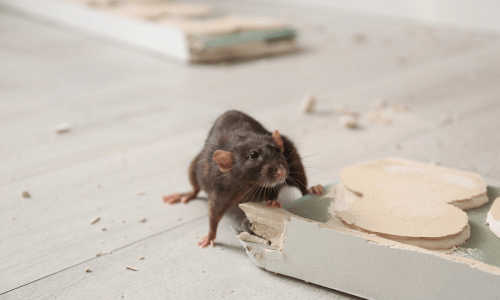
Attic Guard services Escondido citywide. The team reaches 92025 homes near City Hall and the California Center for the Arts. They handle 92026 properties stretching toward Jesmond Dene and Valley Center. They manage 92027 neighborhoods along East Valley Parkway and the Escondido Creek trail. They work 92029 zones near Lake Hodges, Felicita Park, and Harmony Grove. They respond to 92030, 92033, and 92046 mailing zones as well. Proximity to 510 Corporate Dr # F shortens response times, which helps during active infestations. The company also supports bordering areas, including San Marcos, Rancho Bernardo, Poway, Vista, and San Diego, where similar pressures exist.
How to compare estimates with confidence
Homeowners see a wide range of pricing and scope for rodent work. A useful comparison looks at five items. First, confirm that the provider performs full exclusion, not just trapping. Second, look for HEPA vacuum removal of waste and droppings. Third, confirm a fogging step that targets urine pheromone trails. Fourth, ask for pictures and measurements of each entry point with the planned material. Fifth, check the warranty on sealed entry points and confirm that licensed status appears with CSLB. Attic Guard publishes this information and invites owners to review it before deciding. The goal is a quiet attic and a healthier home, not a recurring invoice for bait checks.
Answers to frequent Escondido questions
Owners ask about warranty terms. Attic Guard backs exclusion with a lifetime warranty on sealed entry points. They ask about safety during cleaning. The team uses HEPA filtration, air scrubbers, and careful bagging to protect indoor air. Owners ask about licensing. Attic Guard is CSLB-licensed, bonded, and insured. They ask about attic cleaning speed. Most single-family homes complete in one to two days, with larger, more complex attics extending to three. They ask about insulation choice. TAP Insulation sees strong use where pest pressure is high and energy goals point to higher R-value. Owens Corning and Knauf serve other assemblies well. The report covers these choices in plain terms.
How rodent proofing improves resale confidence
Buyers in Escondido read disclosures closely. Evidence of droppings or odor in the attic triggers requests for credit or repair. A documented exclusion, decontamination, and insulation replacement provide a clean record. Photos before and after, material invoices, and a lifetime exclusion warranty support the listing. Agents in Old Escondido and Eureka Meadows confirm that a quiet attic helps buyers focus on finishes and layout. The best time to handle the attic is before listing, yet post-inspection work still protects value and reduces later friction.
What sets Attic Guard apart within San Diego County
Attic Guard combines building science, contractor licensing, and pest exclusion. The team does not sell a trap-first service. It seals the structure, removes the contamination, and restores the thermal boundary. The company’s location at 510 Corporate Dr # F supports fast service to Escondido, Hidden Meadows, Harmony Grove, Lake Hodges, Daley Ranch, and the Escondido Creek corridor. Materials come from proven brands. Techniques include 1/4-inch galvanized hardware cloth, flashing, steel wool, weather stripping, HEPA vacuum removal, ULV cold fogging, thermal fogging, and industrial air scrubbers. This is a complete process grounded in local conditions and real building performance.
For homeowners ready to stop the cycle
Rodent proofing works best before the next nesting cycle sets in. Escondido’s climate and green space keep pressure steady, yet a sealed, sanitized, and insulated attic holds its line. Attic Guard has completed numerous full attic restorations in Hidden Meadows to protect canyon-front homes. The company has also delivered permanent exclusion near Felicita Park and along the Lake Hodges edge where roof rats test lifts in tiles and ridge vents. Every project follows the same principle. Close the openings. Remove the waste. Kill the odor signal. Restore the insulation. Verify the seal.
Local service snapshot
Serving the 92029 area and beyond, Attic Guard provides reliable rodent exclusion in central Escondido. The team understands how the Escondido Creek watershed shapes rodent migration. That insight guides material selection and vent strategies. The company’s proximity to Daley Ranch and Lake Hodges lets technicians plan routes that fit owner schedules. The goal is a quiet attic, efficient energy use, and clean indoor air.
Strong conversion signals for local homeowners
Residents in Escondido who hear night activity or see droppings can move fast and reduce risk. Attic Guard offers a free attic inspection for 92025 homes and a detailed entry-point report with photos. The firm’s CSLB license and bonded, insured status give owners confidence that the work will meet code and pass time. Pheromone blocking technology, professional-grade decontamination, and a lifetime exclusion warranty on sealed points keep rodents out for the long term. That combination suits hillside properties, creek-adjacent lots, and any home where roof rats have found a path inside.
Business details and contact signals
Business name: Attic Guard
Address: 510 Corporate Dr # F, Escondido, CA 92029
Phone: (760) 906-8043
Service area: Escondido 92025, 92026, 92027, 92029, 92030, 92033, 92046, plus San Marcos, Valley Center, Rancho Bernardo, Poway, Vista, and San Diego
Credentials: CSLB-licensed, bonded, and insured
Offer: Book a free Escondido attic inspection and receive a comprehensive rodent entry-point report with thermal and ventilation notes
Call to action
Schedule service today to stop the scurrying and protect the family from Hantavirus and Salmonellosis risks. Request a free inspection, confirm the entry points, and get a written plan for rodent proofing and attic restoration. Call Attic Guard at (760) 906-8043 or visit the office at 510 Corporate Dr # F, Escondido, CA 92029 to speak with a local specialist. A quiet attic and a healthier home are within reach for every Escondido neighborhood, from Old Escondido to Hidden Meadows and the Lake Hodges corridor.
Attic Guard | Escondido Office
Business Name: Attic Guard
Address: 510 Corporate Dr # F, Escondido, CA 92029, United States
Primary Phone: +1 858-400-0670
Direct Line: +1 858-786-0331
Website: atticguardca.com/escondido
Connect With Us & Read Reviews
Yelp Reviews Facebook Instagram