<!DOCTYPE html>
How to Proof Your Attic Vents Against North County Pests | Attic Guard Escondido, CA
How to Proof Your Attic Vents Against North County Pests
Rodents pressure homes across Escondido, CA. The path is simple and brutal. Roof rats climb stucco and palm trunks, ride fence lines, and slip through open attic vents. Once inside, they crush insulation, stain joists, and ruin air quality. This page explains how a professional team secures attic vents in Escondido and across San Diego County. It shares local risk patterns near Lake Hodges, Daley Ranch, and the Escondido Creek corridor. It also outlines what materials hold up under heat, salt air, and seasonal winds. The goal is clear. Keep rodents out, protect insulation R-value, and close the loop on biosecurity.
Why attic vents are the weak point in Escondido homes
Vent openings sit at the edge of the building envelope. They balance airflow and code compliance but expose a series of predictable gaps. In North County, roof rats and house mice target gable vents, O’Hagin style low-profile roof vents, turtle vents, dormer vents, and continuous soffit vents. They also lever warped bird blocks and eave returns. The animals test screens at night and trail pheromones. One entry becomes a route. Over weeks, scurrying sounds move from one bay to the entire ridge line.
Homes in 92025, 92026, 92027, and 92029 see higher traffic in the fall dry-down. That is when food pressure shifts from canyon edges to garages and attics. Properties near Hidden Meadows, Harmony Grove, Jesmond Dene, and Lomas Del Lago see activity from hillside to roofline. Houses in Old Escondido draw movement along the Escondido Creek greenway. Roof rats run wires and branches across side yards. The problem is repeatable. So the solution must be permanent.
Local factors that drive rodent entry near Daley Ranch and Lake Hodges
Daley Ranch holds dense chaparral. Lake Hodges and its riparian belts add stable water and shelter. At dusk, rodents ride the canyon edges and railroad fences west of 92029. They cross to rooflines near Eureka Meadows and Felicita Park using overhanging oaks and utility lines. In these zones, attic vents face direct assault. Windborne leaf matter also builds under vent lips and gives cover. Infrared scans often show heat pooling under clogged vent screens. Rodents cut through aging aluminum mesh to reach the attic plenum. That is why professional rodent proofing in Escondido starts with rigid barriers and tight fasteners, not foam and hope.
What effective rodent proofing looks like on vents
A vent screen must stop gnawing and prying. It must survive heat, Santa Ana wind, and UV exposure. The field standard is 1/4 inch galvanized hardware cloth over the full vent face, backed by stainless steel screws and exterior-grade washers. This mesh denies roof rats but still vents airflow. For finer pests and wasps, 1/8 inch can be used on gables while keeping 1/4 inch on roof vents to preserve exhaust performance. Soft fillers like expanding foam have a role behind metal layers, but they cannot stand alone. Steel wool grades can support gaps under flashing but must not sit exposed to rain.
Attic Guard crews in Escondido reinforce factory vent louvers with added mesh, sealed to structural framing or to the vent’s flange. Flashing seals the frame-to-roof transition. Where soffit vents run continuous, teams line the internal span with mesh and pin it to solid wood. On composite roofs, fasteners must reach rafter tails and skip brittle fascia. On tile roofs in Rancho Bernardo and Poway, mesh seats under the first course with metal clips so the tile can be reset without wobble. This prevents uplift and rattling during high wind.
How attic vent proofing protects insulation performance
Rodents do not stop at nesting. They drag fiberglass, chew vapor barriers, and tunnel into batts. This destroys the R-value. Urine-soaked insulation loses loft and thermal resistance. Heat movement increases. HVAC duty cycles jump. Power bills track that rise within a season. If scurrying sounds reach the hallway or if air handler returns pull a dusty odor, the insulation in that attic bay is likely compacted and contaminated. In Escondido homes, Attic Guard often measures a 20 to 40 percent R-value loss in affected sections.
The fix pairs exclusion and restoration. First, technicians seal the envelope so no new animals enter. Next, they remove fouled material using HEPA vacuum systems to capture fine particles and reduce airborne pathogens such as Hantavirus and Salmonellosis. Industrial air scrubbers run at the hatch during removal. Once the framing dries and lab-grade sanitizers neutralize urine pheromone trails, the team installs new insulation. Many Escondido projects use TAP Insulation for added pest resistance, along with Owens Corning or high-density Knauf options where batts fit better around can lights and ducts.
The diagnostic walk-through in Escondido neighborhoods
A free attic inspection in 92025, 92026, 92027, or 92029 covers the building shell from the foundation to the ridge. At street level, technicians map approach routes along trees, fences, and service lines. They mark foundation cracks and gaps at hose bibs and the garage weather stripping. At the eaves, they check soffit vents, loose bird blocks, and eave returns. On the roof, they test all roof vent screens, gable vents, and flashing transitions. O’Hagin vents in Lomas Del Lago often show chewed screen corners on the leeward side. Gable vents near Lake Hodges show pry marks at the lower louver because wind deposits seed shells there. Each weak point becomes a work item in a rodent exclusion plan.
Inside the attic, teams pull back insulation to read traffic lanes and chew points. They tag HVAC duct damage and exposed wires. A ULV cold fogger can help reveal airflow paths using a visible tracer in large attics. Where droppings cluster, a thermal fogger treats the bay and reduces odor signals. Photos document urine-soaked insulation, stained joists, and any compromised vapor barrier. This record pairs with an estimate for rodent proofing, attic cleaning, decontamination, and insulation replacement where needed.
Vent types in North County and how each gets sealed
Low-profile roof vents sit flush and clear heat. They are common in newer Escondido builds near Westfield North County Mall. The factory mesh is often thin aluminum and fails under bite pressure. Crews overlay 1/4 inch galvanized hardware cloth, cut clean with aviation shears, and secure it to the vent body with stainless screws. A tight fit preserves exhaust while blocking entry.
Turtle vents rise above the shingles. Roof rats target the lip. Technicians wrap the profile with mesh cut to cover the sidewalls and top opening. Edges fold under the vent lip and screw to the flange. A top cap mesh helps but must not block lift airflow. The balance between airflow and exclusion needs field judgment, which comes from measuring attic temperature and looking at vapor balance in winter.
Gable vents can be wood, vinyl, or metal. A rigid backer frame, cut to the vent’s footprint, holds the hardware cloth. Fasteners land in solid framing. Caulk seals the frame-to-siding joint. On older homes in Old Escondido, paint-grade sealants also help protect the new screen from UV and moisture.
Soffit vents run long and often clog. Crews remove brittle grilles, clean the channel, and line the cavity with hardware cloth. They then reinstall a clean face grille. Edge cases include warped fascia in Jesmond Dene, which requires carpentry fixes to seat the screen.
Ridge vents are less common in these tracts but appear in custom homes near Harmony Grove. Where present, a hidden stainless mesh insert fits under the cap. It must not impede ridge flow. If roof geometry or wind exposure makes this hard, a switch to baffled ridge vent systems with integrated pest screens may be better.
Materials that hold up in Escondido’s climate
High sun load and Santa Ana events punish weak metals. That is why Attic Guard specifies galvanized hardware cloth with a zinc coat and uses stainless screws with exterior-grade washers. Steel wool supports narrow seams under flashing but stays behind metal and sealant. Expanding foam is a backer, not a face seal. Where flashing meets stucco, technicians use a compatible sealant that bonds without cracking. Roof vent screens sit tight to avoid wind chatter, which can pull screws over time.
Brands matter for longevity. TAP Insulation adds fire retardant and borate that deters many insects. Knauf Insulation and Owens Corning batts fit precise cavity widths and deliver predictable R-value. In a typical Escondido attic with 2x6 joists, blown-in insulation reaches target depth while batts fill knee walls and short runs. For decontamination, teams run HEPA vacuum systems, thermal foggers, and industrial air scrubbers rated for attic volume. These appliances support biosecurity standards that a CSLB-licensed, bonded, and insured contractor must keep on every project.
Quick vent-proofing checklist for Escondido homeowners
- Inspect every roof vent, gable vent, and soffit vent for chewed or loose screens.
- Trim back branches within 8 to 10 feet of the roof to break travel lines.
- Replace thin factory mesh with 1/4 inch galvanized hardware cloth, secured with stainless screws.
- Seal eave gaps, bird blocks, and flashing seams that connect to the attic.
- Confirm clear airflow after screening to prevent heat build-up under the roof deck.
Tools and materials used by a professional exclusion crew
- 1/4 inch galvanized hardware cloth and stainless fasteners with exterior-grade washers.
- High-strength flashing, weather stripping, and construction-grade sealants.
- Steel wool backing for narrow voids behind metal and sealant layers.
- HEPA vacuum, industrial air scrubber, ULV cold fogger, and thermal fogger for decontamination.
- Blower machine for insulation installation and depth verification tools for R-value targets.
The health and safety layer: what happens after vent sealing
Rodent proofing stops new entry. It does not remove contamination left behind. Attic Guard follows a clear decontamination protocol. First, HEPA vacuums remove droppings and nesting material. Then a hospital-grade disinfectant runs through a thermal fogger to penetrate wood pores and neutralize urine pheromone trails. This matters because pheromones draw animals back through the same path. An industrial air scrubber filters the workspace to protect the living areas below. The final step is to install fresh insulation and restore R-value. This cut in energy load shows on the next utility cycle. In Escondido, homes that replace urine-soaked insulation often see faster temperature recovery after sunset and less AC run time during Santa Ana heat.
Rodent proofing near Escondido Creek, Hidden Meadows, and beyond
Homes near the Escondido Creek watershed face steady migration. Attic Guard maps rodent trails that run from creekside brush to fence tops and then to attic vents. In Hidden Meadows, the slope exposure and vegetation density drive roof rat traffic in late summer. Crews there reinforce roof vent screens, seal eave returns, and adjust tree canopies to break roof access. Along Lake Hodges, the team pays close attention to gable vent corners where wind stacks debris. In Eureka Meadows and Felicita Park, utility lines double as runways. In Old Escondido, wood gable vents benefit from backer frames that carry 1/4 inch mesh without splitting old trim.
These are small details, but they decide whether the fix holds. Local judgment keeps airflow healthy and noise down while denying entry. That is how a permanent exclusion feels. Quiet at night. Clean attic air. Stable energy use.
How Attic Guard performs a multi-point exclusion in San Diego County
Crews begin at ground level and move upward. Foundation cracks get sealed. Door sweeps and weather stripping close garage gaps. Utilities, hose bibs, and crawl vents get upgraded screens. Then the team climbs. Every soffit vent, eave gap, and bird block is inspected and sealed. Roof vents and gable vents receive 1/4 inch galvanized hardware cloth cut to exact size and secured to structure with stainless hardware. Flashing seals finish the edges. On complex roofs in Rancho Bernardo, Poway, Vista, and San Marcos, extra time goes to ridge and valley transitions where rodents use tile lift to pry a path. A final pass records all work points for the lifetime exclusion warranty on sealed entries.
This is rodent exclusion. Trapping is temporary. Sealing with the correct mesh and fasteners is permanent. The difference shows one rainy season later when the attic stays quiet and the insulation stays dry.
Attic restoration after vent proofing: returning the attic to service
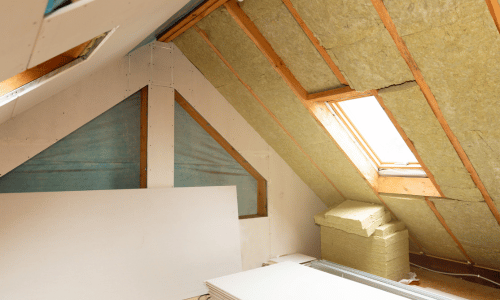
Proofing vents solves the outside. Restoration solves the inside. Attic Guard performs attic cleaning with HEPA capture. Droppings, urine mats, and loose nesting come out bagged and sealed. Decontamination follows with a thermal fogger to penetrate tight cavities. A ULV cold fogger can support large spans for even coverage. After drying, the crew installs new insulation to the specified R-value. In Escondido and the greater San Diego climate zone, R-38 to R-49 is typical for energy performance. The team verifies depth and coverage with marked rulers and photo logs. They then set baffles to keep soffit airflow open. Any damaged HVAC ducts are flagged, and licensed HVAC partners can repair crushed runs or torn liners to restore static pressure.
Many clients choose TAP Insulation for pest resistance. Others prefer Owens Corning or Knauf batts for clean edges along rafters and knee walls. The choice depends on attic geometry, recessed can placements, and service access. The crew provides options with cost, R-value, and service life. All choices support a sealed shell and stable thermal performance.
Signs an Escondido attic needs immediate vent proofing
Nighttime scurrying sounds in the ceiling are the classic sign. Odors near the hatch or in hallway returns also point to active traffic. In many 92029 homes, clients report dust puffs from ceiling can lights when the air handler starts. That often means nesting disturbed the insulation. Chewed wires in the attic or at the electrical panel demand urgent attention due to fire risk. HVAC duct damage shows as rooms that never catch up with the thermostat. If the insulation looks matted or wet, the R-value is compromised. Urine-soaked insulation cannot be recovered. It must be removed and replaced after decontamination.
Why licensed biosecurity matters during decontamination
Rodent droppings carry pathogens. Hantavirus and Salmonellosis are serious risks in closed spaces. A CSLB-licensed contractor in San Diego County follows strict biosecurity protocols. That means containment at the hatch, negative air with an industrial air scrubber, HEPA vacuums that trap fine particles, and a chemical process rated for attic substrates. Technicians wear full PPE and bag waste for proper disposal. This level of care protects the family during the work and prevents cross-contamination into living areas.
Case notes from North County projects
Hidden Meadows. A canyon-front home reported late-night scratching. The team found two O’Hagin vents with chewed screens on the wind-sheltered sides. 1/4 inch galvanized hardware cloth and stainless fasteners secured both. Soffit vents were lined with mesh and face grilles replaced. A thermal fogger treated pheromone trails. TAP Insulation brought the attic to R-49. The client reported quiet within 48 hours and lower AC run time during a heat spike.
Near Lake Hodges. A 1970s gable vent had thin mesh and pry damage. A backer frame with hardware cloth, sealed to studs, ended entry. An air scrubber ran during HEPA vacuum removal of droppings. Knauf batts lined knee walls for service access. The lifetime exclusion warranty covered all sealed points.
Old Escondido. Wood louvers and warped fascia left a chain of gaps. Crews installed flashing with steel wool backers, then mesh at every soffit bay. A ULV cold fogger supported even coverage across a long attic. The blower machine set depth markers for R-38 cellulose. Energy bills dropped by the next cycle, and scurrying stopped.
Escondido’s local authority for attic vents, rodent proofing, and restoration
Attic Guard operates from 510 Corporate Dr # F, Escondido, CA. The team serves all zip codes in the city, including 92025, 92026, 92027, 92029, 92030, 92033, and 92046. Service extends across North County to San Marcos, Valley Center, Rancho Bernardo, Poway, Vista, and into greater San Diego. Proximity to the Escondido Creek watershed and the trails of Daley Ranch gives the crew direct insight into rodent migration patterns. This local knowledge shows up in faster diagnostics and tighter seals on vents and eaves.
Attic Guard competes with mass-market names like Orkin, Terminix, and Western Exterminator but leads on permanent rodent exclusion and full attic restoration. Supplies and tools come from trusted sources, including Home Depot for certain hardware. The team specifies premium insulation brands like TAP Insulation, Owens Corning, and Knauf to match performance goals. Every exclusion project carries a lifetime warranty on sealed entry points. The company is licensed, bonded, and insured, and follows eco-friendly decontamination practices with pheromone blocking technology.
Escondido rodent control FAQ
Do you offer a warranty on exclusion work. Yes. There is a lifetime exclusion warranty on the sealed entry points completed by the team.
Is attic cleaning safe for the family. Yes. HEPA-filtered equipment, negative air containment, and hospital-grade disinfectants reduce airborne risk and prevent cross-contamination.
Are you licensed in San Diego County. Yes. The company holds an active CSLB license and operates as a bonded and insured contractor.
What happens to urine-soaked insulation. It is removed using HEPA capture and replaced after decontamination. Soaked material cannot regain R-value.
Do you service my neighborhood. Yes. The service area includes Hidden Meadows, Harmony Grove, Jesmond Dene, Lomas Del Lago, Eureka Meadows, Felicita Park, and Old Escondido, plus nearby cities like San Marcos, Valley Center, Rancho Bernardo, Poway, Vista, and San Diego.
What to expect during your 92029 or 92025 inspection
An inspector meets on-site, usually within one to two business days. The attic hatch is opened under containment. The inspector checks roof vents, soffit vents, gable vents, and all eave returns. They document droppings, urine stains, chewed wires, and HVAC duct damage. They measure insulation depth and visible R-value targets. Photos support a written plan that lists each exclusion point, the mesh spec, and any restoration steps. For complex roofs near Daley Ranch or Lake Hodges, the report includes vent-by-vent notes and airflow considerations. Pricing is clear and line-itemed. Most jobs finish within one to three workdays, depending on the size of the attic and the complexity of the roof.
Why vent-proofing should come before new insulation
Adding insulation over a live infestation hides the problem. Rodents tunnel into the new material and spread contamination. That choice wastes money and can raise health risks. The proper order is sealed vents and entry points, decontamination, then insulation. This sequence locks in the value of the new R-value and keeps odors and pathogens out of the living space. A blower machine can then reach the correct depth across the attic while baffles protect soffit airflow. This is the standard Attic Guard sequence on every Escondido project.
How this connects to energy bills and comfort in North County
Air leaks and rodent damage make a home feel drafty and loud. The HVAC system works harder. Rooms far from the air handler get hot in summer and sluggish in winter mornings. After proper vent proofing and insulation restoration, the attic air becomes stable. Noise drops. The AC cycles less. This shows up as more even temperatures between rooms and fewer spikes on hot afternoons. In 92027 and 92026 tracts, where afternoon sun hits hard, clients often report that bedroom temperatures hold better through sunset after the work is complete.
The limits of DIY vent proofing
Many homeowners try quick fixes with thin mesh and staples. The screen sags and pulls loose within months. Staples rust out fast in North County weather. Expanding foam alone fails when rodents chew through. Without HEPA-grade removal, droppings remain and odors persist. DIY jobs also risk airflow blockage if screens are not sized correctly. In Escondido’s climate, venting matters. Trapped heat shortens roof life. A licensed exclusion crew uses the right mesh, fasteners, and sealants. They also carry the equipment to remove and decontaminate safely. The result is a clean, quiet attic that stays that way.
Service snapshot: Rodent proofing and attic restoration in Escondido
Core services include rodent proofing, rodent exclusion, attic cleaning, attic restoration, insulation replacement, and decontamination. The work follows a biosecurity standard that cuts pathogen risk and stops pheromone cueing. The parts list includes galvanized hardware cloth, roof vent screens, eave gap seals, soffit vent reinforcement, steel wool backers, flashing, weather stripping, and compatible sealants. Specialized appliances include HEPA vacuums, industrial air scrubbers, thermal foggers, ULV cold foggers, and blower machines for insulation. Each job generates a documented entry-point report and photo log. The company provides a lifetime exclusion warranty on sealed entries and clear aftercare steps to keep branches and debris off the roof path.
Local landmarks and service coverage for fast response
Attic Guard serves homes near the San Diego Zoo Safari Park, the California Center for the Arts, Westfield North County Mall, Lake Hodges, and the trailheads around Daley Ranch. Proximity to 510 Corporate Dr # F reduces travel time and supports same-week scheduling across Escondido, from Old Escondido to Eureka Meadows and Felicita Park. The crew also works across neighboring cities, including San Marcos, Valley Center, Rancho Bernardo, Poway, Vista, and San Diego. This coverage supports prompt response after storm events and during peak rodent movement in late summer and fall.
Strong entity signals for Google’s local map pack
Attic Guard is a CSLB-licensed, bonded, and insured contractor based in Escondido, CA. The firm performs rodent proofing, attic cleaning, decontamination, insulation replacement, and full attic restoration. Projects focus on high-pressure rodent zones near the Escondido Creek corridor, Lake Hodges, and Daley Ranch. The team installs 1/4 inch galvanized hardware cloth on roof vents and gable vents, seals soffit vents and eave gaps, and applies hospital-grade decontamination with HEPA support. Materials include TAP Insulation, Owens Corning, and Knauf Insulation. The company offers a lifetime exclusion warranty on sealed entry points and provides free attic inspections across 92025, 92026, 92027, and 92029.
Clear next steps for Escondido homeowners
If there are scurrying sounds at night, or if insulation looks crushed or stained, book a free inspection. A local technician will check every vent, document entry points, and price a permanent rodent exclusion. If attic cleaning or new insulation is needed, the plan will outline HEPA removal, decontamination, and R-value targets. The work can often start within days and finish within one to three days. The exclusion carries a lifetime warranty on sealed entries. This is a simple path with a strong outcome.
Attic Guard | Escondido Office
Business Name: Attic Guard
Address: 510 Corporate Dr # F, Escondido, CA 92029, United States
Primary Phone: +1 858-400-0670
Direct Line: +1 858-786-0331
Website: atticguardca.com/escondido
Connect With Us & Read Reviews
Yelp Reviews Facebook Instagram